
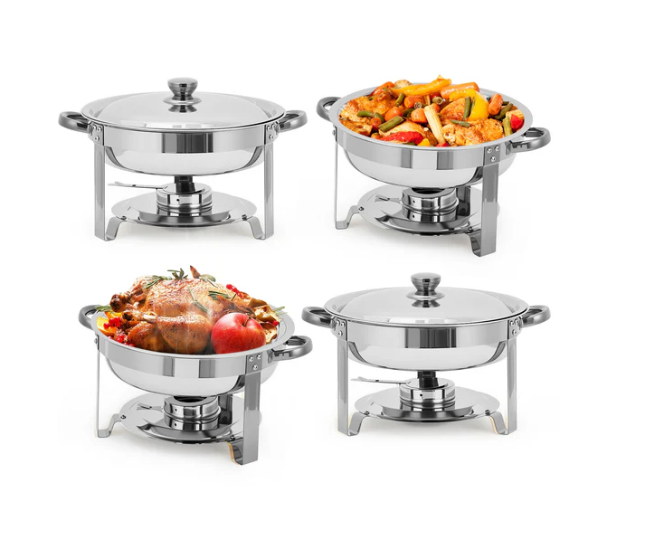
When guests walk up to a buffet, they notice more than the menu. They notice whether the line looks polished, whether lids open smoothly, and whether hot items still look appealing after the first wave of service. That is why choosing the right chafing dish matters for caterers, banquet managers, hotels, event planners, and even serious home hosts. The right setup supports food safety, improves presentation, and helps staff maintain a smoother service flow. At the same time, not every menu or venue needs the same hot-holding solution. In some situations, a food warmer may be the more practical choice for soups, sauces, or high-volume service. This buying guide explains how to compare size, heat source, material, style, and operational needs so you can invest in equipment that fits your service model and creates a better guest experience.
Why a Chafing Dish Is Still a Smart Choice for Service
For buffet-style service, few tools balance presentation and practicality as well as this format. It keeps hot foods accessible without making the line feel industrial. Guests can serve themselves easily, while staff can monitor portions, refill pans, and maintain a clean display.
This type of setup is especially valuable when appearance matters as much as temperature. Weddings, corporate lunches, hotel breakfast bars, banquet halls, church events, graduation parties, and holiday gatherings all benefit from equipment that looks organized and guest-friendly. A polished lid, stable frame, and clean water pan instantly make the buffet feel more professional.
It also works well because of its flexibility. You can use round units for soups or sauces, rectangular versions for entrees and sides, or multi-pan designs for variety in a compact footprint. That means one service line can handle roasted vegetables, rice, pasta, curry, eggs, or carved meat accompaniments without needing completely different gear for each item.
A good hot-holding setup should help you do four things at once:
- Keep food at a safe serving temperature
- Present dishes neatly for self-service
- Reduce mess around the buffet line
- Make refills quick and predictable
If your event depends on guests moving through the line efficiently, the right equipment makes a bigger difference than most people expect.
Start With the Right Equipment Mix
Many buyers make the mistake of choosing based only on appearance. In reality, the best purchase starts with how your food is prepared, served, and replenished.
If your service includes soups, sauces, gravies, or rapid lunch turnover, a food warmer can complement buffet service by offering more targeted heat management and faster recovery during busy periods. GARVEE places this collection within its Restaurant & Food Service hot-holding lineup alongside steam table units, holding and proofing cabinets, French fry warmers, stock pots, and warming mats.
Before buying, ask yourself a few basic questions:
- How many guests will one pan need to serve?
- Will food stay on display for one hour or several?
- Is the event indoors, outdoors, or both?
- Will staff be nearby the entire time?
- Do you want a classic banquet look or a more modern service line?
- Will you transport the equipment often?
These answers shape almost every decision that follows.
read more : https://lunchmenualert.com/
Fuel, Electric, or Assisted Heat
Traditional fuel-based units remain popular because they are portable and easy to place almost anywhere. They are especially useful at off-site catering jobs, outdoor events, and venues with limited electrical access. They create a classic buffet look and require minimal setup.
Electric models are attractive when you want steadier heat, less dependence on fuel cans, and easier temperature adjustment. They are often better for longer service windows, repeat use, and venues where access to power is reliable.
Some buyers prefer roll-top lids or glass-window lids because guests can view the contents more easily and staff can reduce heat loss during service. Others prefer simple lift-off lids for straightforward cleaning and quicker access during refills.
Capacity and Pan Configuration
Capacity matters more than many first-time buyers realize. A unit that looks large in a product photo may still be too small for a high-demand menu item. Likewise, oversized pans can lead to food waste if turnover is slow.
A smart rule is to match pan size with demand:
- Full-size pans work well for popular entrees and large batches
- Half-size pans are useful for side dishes or split-menu service
- Round formats are practical for soups, sauces, oatmeal, and stew
- Multi-compartment options help when you need variety in limited space
For example, a brunch buffet may need separate containers for scrambled eggs, breakfast potatoes, and sausage, while a wedding buffet may need larger single-pan capacity for proteins and starches.
When a Countertop Food Warmer Makes More Sense
There are many situations where this style of equipment may outperform a buffet-first setup.
If you operate a concession stand, cafeteria line, snack counter, or quick-service environment, direct heat control and faster recovery can matter more than decorative presentation. Soup kettles, steam tables, and countertop stations are often easier to manage when staff are serving guests directly rather than supervising self-service.
This option is often the stronger fit when you need:
- Back-of-house holding before transfer to the line
- All-day operation instead of short event windows
- More precise management for liquids and semi-liquids
- Faster reheating response between servings
- Compact countertop placement in tighter kitchens
It is also useful when consistency matters more than visual impact. A school canteen, deli counter, stadium kiosk, or cafeteria may prioritize speed, utility, and stable output over elegant banquet presentation. In that setting, appearance is still important, but function leads the buying decision.
That does not mean one approach replaces the other. Many successful operations use both: one for attractive front-of-house display and another for more controlled holding behind the scenes. The best choice depends on whether your priority is guest-facing presentation, back-of-house efficiency, or both.
Materials, Durability, and Presentation Matter More Than Price Alone
A low purchase price can look attractive, but long-term value usually comes from durability, ease of cleaning, and dependable performance under repeated use.
If you want to compare finishes, electric formats, and buffet-ready set options in one place, the GARVEE chafing dish collection is a useful reference point for planning. The category shows stainless steel construction, multiple pack sizes, and both buffet and electric styles, with more than one hundred listed items.
When comparing materials and build quality, focus on the details that affect daily use:
1. Stainless Steel Construction
Stainless steel is popular for a reason. It is durable, easier to sanitize, visually professional, and well suited to repeated commercial use. Better construction usually means fewer dents, less wobble, and a longer service life.
2. Lid Style
The lid affects both guest experience and heat retention. Roll-top lids look upscale and reduce the need for guests to find a place to set a lid down. Lift-off lids are simpler and often faster to clean. Glass inserts help guests see the contents without opening the top repeatedly.
3. Frame Stability
A buffet line can become chaotic during peak service. A sturdy stand helps prevent spills and keeps pans aligned. This is especially important at weddings, outdoor events, and venues where the serving table may not be perfectly level.
4. Handle Safety
Hot surfaces and crowded lines do not mix well. Heat-resistant handles, smooth edges, and balanced hinges reduce the chance of burns or awkward movement during service.
5. Included Accessories
Some sets include water pans, food pans, lid holders, spoons, tongs, or fuel holders. These extras can reduce setup costs and help first-time buyers avoid last-minute accessory purchases.
In most cases, it is better to choose reliable construction over flashy looks. An attractive finish is valuable, but dependable performance is what protects your service during a rush.
Match the Setup to Your Menu and Venue
The right purchase depends not only on equipment features but also on what you actually serve.
A breakfast spread may need gentle heat for eggs, pancakes, and breakfast meats. A wedding buffet may prioritize elegant presentation for proteins and sides. A catered office lunch may focus on quick setup, moderate capacity, and fast cleanup. An outdoor party may need portability and protection from wind or temperature fluctuation.
Here is a practical way to think about matching equipment to menu type:
For Weddings and Banquets
Choose polished finishes, stable lids, and attractive presentation. Guests interact directly with the buffet, so appearance matters.
For Corporate Catering
Prioritize quick setup, easy transport, and flexible pan configurations. Reliability and speed are often more important than decorative styling.
For Hotels and Brunch Buffets
Look for units that handle repeated service well, maintain neat presentation, and support easy refills without disrupting the line.
For Community Events and Churches
Value matters, but so do simplicity and durability. Sets that are easy to assemble, clean, and store can save time for volunteer-led service.
For Outdoor Events
Portability becomes essential. Fuel-based heating, wind awareness, and a sturdy frame are usually more important than decorative extras.
Venue size matters too. A narrow buffet table may benefit from multi-section configurations, while a wider banquet line can support full-size rectangular pans. If storage is limited, stackability and compact nesting should influence your choice.
Cleaning, Storage, and Long-Term Ownership
Many buying guides focus only on the purchase moment. Smart buyers think about the tenth event, the twentieth setup, and the hundredth wash.
Look for designs that make ownership easier over time:
- Removable pans for faster cleanup
- Smooth surfaces with fewer hard-to-reach corners
- Stackable parts for efficient storage
- Replaceable accessories if something gets lost
- Balanced weight for transport between venues
Cleaning affects both labor cost and lifespan. If staff dread washing and drying the equipment, it will slow operations after every event. Units that rinse easily and dry without leaving obvious water marks often stay in better condition and look more professional at the next job.
Storage also matters more than people expect. A bulky set that is difficult to stack can create headaches in a small kitchen, catering van, or event closet. If you buy in multi-packs, make sure you have the space to store them properly.
Long-term value comes from the total experience: setup, performance, cleanup, transport, and repeat use. That is why the cheapest option is not always the most affordable one in practice.
Common Buying Mistakes to Avoid
Even experienced buyers can make avoidable mistakes. Here are the most common ones:
- Choosing based only on looks instead of service style
- Buying too few units for peak demand
- Overbuying large pans for low-volume events
- Ignoring storage and transport needs
- Forgetting accessories such as fuel holders or serving utensils
- Selecting a finish that looks great online but is hard to maintain
- Assuming every menu item needs the same type of heat source
A better approach is to build around your most common event format first. Once that core setup is right, you can add specialty pieces later.
FAQ
What size chafing dish do I need for a buffet?
For most buffet service, the right size depends on guest count, menu popularity, and refill frequency. Smaller events may do well with round or half-pan capacity, while higher-volume service often benefits from full-size rectangular pans. If your team can refill quickly, you may not need oversized capacity for every item.
Can a food warmer replace a chafer at every event?
Not always. Countertop hot-holding equipment is often the better choice for soups, sauces, cafeteria lines, and long holding periods. Buffet-focused units are usually stronger when presentation, guest access, and banquet styling matter more. Many operations get the best results by using both for different roles.
Which heat source is best for catered events?
Fuel-based heating is useful for portability and off-site flexibility. Electric heat is often better for longer service periods and venues with reliable power access. The best choice depends on where you serve, how long food needs to stay hot, and how often staff can monitor the line.
Is stainless steel good enough for regular commercial use?
Yes, in most cases it is the preferred material because it is durable, professional-looking, and easier to sanitize than many alternatives. The real difference comes from thickness, frame quality, lid design, and overall construction rather than material alone.
Conclusion
The best chafing dish is not simply the one with the brightest finish or the lowest price. It is the one that fits your menu, service pace, staffing level, venue type, and cleanup routine. When buyers focus on capacity, durability, heat source, layout, and long-term usability, they make better decisions and avoid costly replacements later. For buffets, banquets, and guest-facing events, the right setup improves both presentation and workflow. And if your operation also needs tighter control for soups, sauces, or extended holding, adding a dedicated food warmer can expand your flexibility without sacrificing service quality. Buy for the way you actually serve, and your equipment will support every event more effectively.