
Key Takeaways
- Mastering pigging accessories is crucial for optimizing efficiency and ensuring safety in pipeline operations.
- Thoughtful selection of pigging tools reduces risk, extends pipeline service life, and minimizes costly downtime.
- Keeping pace with technological improvements in accessories increases the effectiveness and sustainability of pipeline management.
Table of Contents
- Pig Launchers and Receivers
- Sealing Discs and Cups
- Brushes and Blades
- Gauge Plates
- Pig Tracking Equipment
- Magnets
- Pig Signallers
- Conclusion
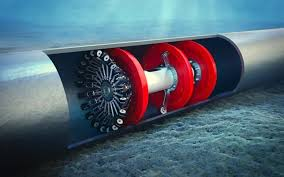
Effective pipeline maintenance is a cornerstone of reliable operations within the oil and gas sector. Among the most dependable maintenance practices in use today is pigging, which involves deploying specialized devices called pigs through pipelines to clean, inspect, and maintain the integrity of these critical infrastructures. To maximize the efficiency and results of these operations, a wide range of essential pigging accessories for pipeline cleaning operations are purpose-built and carefully selected based on the specific needs of the pipeline and its contents.
These accessories and tools are designed to address everyday operational challenges, from preventing damaging buildups to detecting internal deformations and ensuring pigs reach their destinations. Understanding their roles is crucial for anyone responsible for pipeline longevity and safety. In this article, we’ll explore the most critical pigging accessories, their operation, and the value they bring to regular pipeline maintenance.
Pigging accessories range from core components such as launchers and receivers to sophisticated tracking and signaling technologies. As innovations in pipeline technology continue to advance, newer and more refined pigging tools further reduce risks and ensure optimal performance, highlighting the critical role these accessories play in the industry’s success.
Operational reliability extends beyond simply running a pig through a pipe; it’s about making strategic decisions regarding accessory selection, maintenance routines, and the utilization of modern technology to anticipate and prevent pipeline problems before they occur. This approach not only prolongs pipeline lifespan but also ensures safer and more environmentally sound operations. For more details about industry best practices, visit the Energy Institute’s official guidelines on pipeline integrity management.
Pig Launchers and Receivers
Pig launchers and receivers are indispensable in any pigging system. The launcher is a pressure vessel located at the start of a pipeline section, where pigs are introduced into the line, while the receiver, positioned at the opposite end, is where pigs emerge after completing their maintenance journey. Well-designed launchers and receivers incorporate safety features such as pressure equalization valves and emergency venting systems. Such components ensure maintenance teams can safely introduce or remove pigs, maintaining continuous operation and mitigating contamination risks. Additionally, quick-opening closure mechanisms significantly reduce the time required for each pigging cycle, which is particularly critical for high-throughput lines.
Sealing Discs and Cups
Sealing discs and cups are fundamental attachments fitted to most pigs. Their chief function is to create a tight barrier that enables the pressure differential required to propel the pig down the pipeline. Constructed from resilient materials such as polyurethane, these accessories are not only responsible for moving the pig but also for ensuring an effective cleaning action against the internal pipe walls. Properly maintained sealing discs and cups help remove slurry, product residue, or scale before it can threaten flow assurance or cause corrosion.
Brushes and Blades
Stubborn contaminants such as wax, scale, and product buildup are common in oil and gas pipelines, necessitating aggressive mechanical cleaning. Brushes fabricated from high-strength steel or chemical-resistant nylon scrub the internal pipe surface, while blades made of hardened steel provide additional scraping force to shear off deposits. These pigging accessories are pivotal when preparing for inline inspections or simple product changeovers. By clearing away harsh residues, they prevent measurement errors and ensure the accuracy of subsequent inspections, thus safeguarding the structural health of the pipeline.
Gauge Plates
Gauge plates serve as a first line of defense for detecting internal pipeline deformations or blockages. Attached to the pig, these metal plates—often aluminum or steel—are flexible enough to deform when they encounter restrictions or ovalization, providing a physical record of problem spots within the pipeline. Following a pig run, operators carefully inspect these plates for signs of bending or gouging. The use of gauge plates is recommended in major pipeline management protocols, as early identification of such issues can avert potentially catastrophic failures (see API pipeline safety standards for more information).
Pig Tracking Equipment
Knowing the exact location of a pig is crucial for both normal operations and emergencies. Pig tracking systems employ electromagnetic transmitters, acoustic signals, or RFID technology to allow operators to monitor a pig’s journey in real time. This track-and-trace capability is invaluable not only for ensuring the pig reaches its destination but also for preventing loss or unexpected lodging of pigs, which can necessitate disruptive maintenance interventions. Fast response in case of delays or obstructions protects both personnel and equipment, streamlining overall maintenance workflows.
Magnets
Magnets are often used as part of the pig body or as detachable modules. Their function is to collect ferrous debris such as welding slag, rust particles, or loose fragments from inside the pipeline, which could otherwise damage pumps, valves, or metering equipment downstream. The removal of metallic contaminants ahead of sensitive instrumentation not only improves product quality but also prevents costly mechanical failures.
Pig Signallers
Pig signalers—also known as pig passage indicators—are strategically positioned at key points along the pipeline. These devices indicate visually or audibly when a pig passes by, confirming progress and completion of pig runs. Their real-time feedback allows maintenance teams to coordinate downstream operations and optimize cleaning cycles. Combined with pig tracking technology, signallers enable operators to swiftly react to issues and maintain control over every step of the pipeline cleaning process.
Conclusion
A robust pigging program built on a foundation of proven accessories and best practices is essential for maintaining pipeline efficiency, safety, and longevity. Each tool discussed—whether launchers, receivers, tracking equipment, or simple gauge plates—serves a vital, specialized role in ensuring pigging operations succeed with minimal risk and disruption.
With technological advancements constantly improving the effectiveness and safety of pigging, those responsible for pipeline integrity benefit from staying informed about accessory developments and global standards. By mastering the nuances of pigging accessories and their proper use, operators can be confident in sustaining clean, well-maintained pipelines that support the industry’s stringent safety and operational objectives.