
Key Takeaways
- Prioritize personal safety before re-entering your home after a fire.
- Document all fire and smoke damage comprehensively for insurance claims.
- Engage reputable professional restoration services, including specialties in fire, smoke, and water damage.
- Prompt water mitigation is critical to prevent secondary mold growth.
- Odor removal requires advanced equipment and techniques to restore indoor air quality effectively.
- Consistently review and update your insurance policies to ensure adequate coverage.
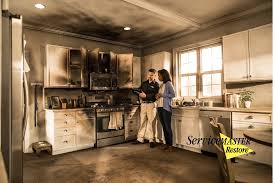
Experiencing a residential fire can shatter your sense of security, but knowing the necessary steps for recovery can make this difficult period more manageable. Immediate and informed action is crucial to restoring the safety and comfort of your home. Whether you need fast Fire and smoke damage cleanup in Utah or you’re simply looking to be prepared, following expert advice streamlines the restoration process and minimizes long-term damage.
In disaster recovery, acting decisively and systematically can help salvage belongings, protect your family’s health, and ensure your insurance claims proceed smoothly. This guide presents the essential strategies for handling fire and smoke damage in your home. From prioritizing safety on day one to managing the complexities of insurance policies, learn how to rebuild efficiently and reduce stress during a vulnerable time.
Ensuring Safety Before Re-Entry
After a fire, your primary concern must be your personal safety and that of your family. Wait for the fire department or local building authorities to declare your home safe before returning. Hazards like weakened structures, live electrical wiring, lingering smoke, and airborne toxins can pose unseen dangers. If you suspect structural weakness or chemical residues, consult professional inspection services to ensure every aspect of your property is secure before entry.
Documenting Damage for Insurance Claims
Accurate, detailed documentation is vital for securing fair compensation from your insurance provider. Start by photographing and filming affected rooms and items, ensuring you capture wide shots and close-ups. Create a written inventory that describes the condition, estimated value, and purchase date of each damaged item. This thorough recordkeeping provides clarity for both you and your insurer, expediting the claims process and reducing the likelihood of disputes.
Engaging Professional Restoration Services
Restoring fire- and smoke-damaged property requires specialized knowledge and equipment. Professional restoration teams perform comprehensive damage assessments, coordinate cleanup efforts, and address safety concerns, including soot residue and compromised structural elements. Their systematic approach encompasses not only repairs but also delicate cleaning and odor neutralization, ensuring your home is once more safe and comfortable to live in. Homeowners should choose restoration companies certified in fire damage recovery, as industry standards are rigorous and specialized.

Addressing Water Damage to Prevent Mold
Water used by emergency personnel to extinguish flames often causes substantial collateral damage, which can lead to mold and mildew if left untreated. Effective restoration begins by removing standing water and using commercial-grade dehumidifiers and air movers to dry out affected areas. Act quickly, as mold can start growing within 24-48 hours, posing serious health risks and complicating future restoration efforts. Professional mitigation services are skilled in moisture detection and using infrared tools to uncover hidden dampness behind walls or flooring.
Implementing Odor Removal Techniques
Smoke can penetrate porous materials and linger for months, affecting indoor air quality and comfort. Professional-grade deodorization methods such as thermal fogging and ozone treatments are often necessary to break down stubborn odors at the molecular level. Cleaning or replacing HVAC filters, ductwork, and soft furnishings helps to eliminate residual smoke. Using high-efficiency air purifiers with HEPA filters can further improve air quality, filtering out particulate matter left in the wake of a fire.
Reviewing and Updating Insurance Policies
Fire incidents highlight the importance of regularly reviewing and updating your homeowners’ insurance. Verify that your policy covers fire, smoke, and water-related damages as well as living expenses if your home is temporarily uninhabitable. Contact your insurance agent to confirm your current coverage and discuss options for additional protection, as needed. Proactive insurance management gives you peace of mind and prepares you for future emergencies.
Utilizing Available Resources
Numerous local and national organizations offer practical assistance and expert guidance throughout the fire recovery journey. For example, the Federal Emergency Management Agency (FEMA) provides emergency relief and recovery programs for homeowners after fire disasters. Community hotlines, mental health support, and local charities can further ease your transition back to normalcy, offering both emotional support and practical resources tailored to your situation.
Conclusion
Fire and smoke damage can feel insurmountable, but approaching recovery methodically can help homeowners get back on their feet. By prioritizing safety, careful documentation, prompt professional intervention, and diligent insurance review, the road to restoration becomes clearer and less overwhelming. Utilize trusted resources and support networks to ensure your family and property make a full, healthy recovery after a fire.
also read: Boosting Oilfield Performance with Innovative Practices